Receiving a gift is always special. Whether it is money, jewellery, or property, a thoughtful gift can bring a lot of joy. What many people do not realise is that some gifts can also create tax responsibilities. The Income Tax Act has clear rules on when a gift is taxable and when it is completely exempt. Here is an easy and practical guide.
When Do Gifts Become Taxable
A gift becomes taxable when the total value of all gifts you receive in a financial year crosses fifty thousand rupees. If this limit is crossed, the entire amount becomes taxable under income from other sources. This applies to money, immovable property, and certain types of movable property.
Gifts from relatives are completely exempt, no matter the value. This includes parents, spouse, siblings, children, grandparents, grandchildren, and certain in law relations.

How Cash Gifts Are Taxed
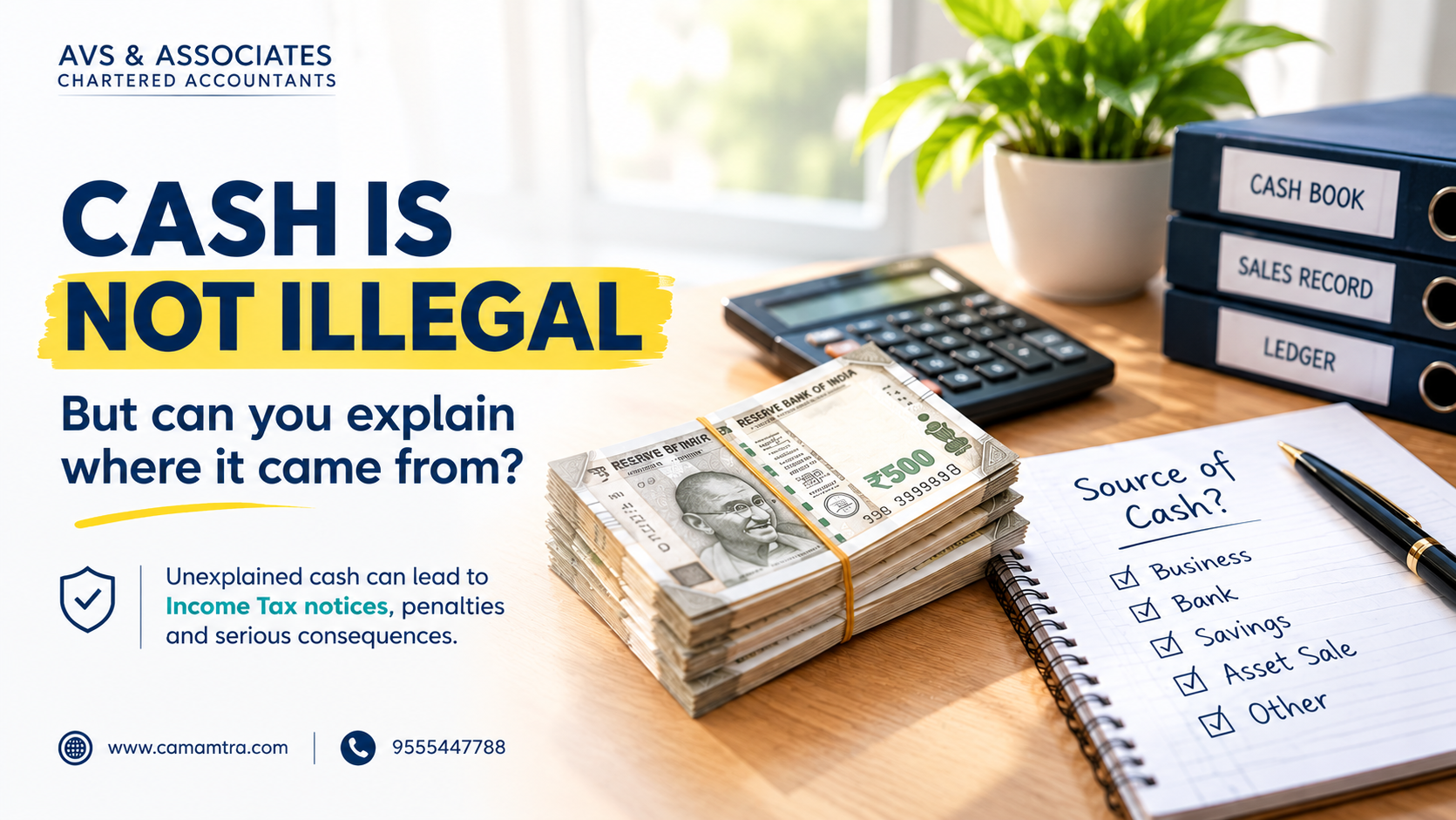
Cash gifts from non-relatives are taxable when the total amount exceeds fifty thousand rupees. Many people assume that only the extra amount above the limit is taxable, but the law taxes the entire value.
Gifts received on the occasion of marriage are fully exempt. However, gifts for festivals, birthdays, anniversaries, or housewarming events are not covered by this exemption.
What to Know About Property Gifts
If you receive land or a building without paying for it, and the stamp duty value is more than fifty thousand rupees, then that value becomes taxable. The rule also applies if you buy a property for much less than its stamp duty value. These situations are exempt only when the property is received from a relative or on the occasion of marriage.
Rules for Gifts Like Jewellery or Shares
Movable assets such as jewellery, bullion, shares, securities, paintings, and virtual digital assets are also covered under gift tax rules. If the fair market value of such items crosses fifty thousand rupees in a year, the full value becomes taxable. The same applies when such assets are obtained for a price far lower than their real market value.
Special Cases Where Gifts Are Exempt
Gifts received as part of a will or inheritance are not taxed. Gifts from local authorities and certain registered institutions are also exempt. Special relief is available for amounts received for covid treatment or by families of people who passed away due to covid, subject to conditions.
A Practical Closing Thought
Gift tax rules may appear detailed, but once you understand the key exemptions and the fifty thousand rupees limit, managing them becomes simple. If you expect to receive or give a high value gift, maintaining basic documentation and taking timely advice from a tax expert can help you avoid future complications. A little preparation today ensures you can enjoy your gifts with clarity, confidence and complete peace of mind.