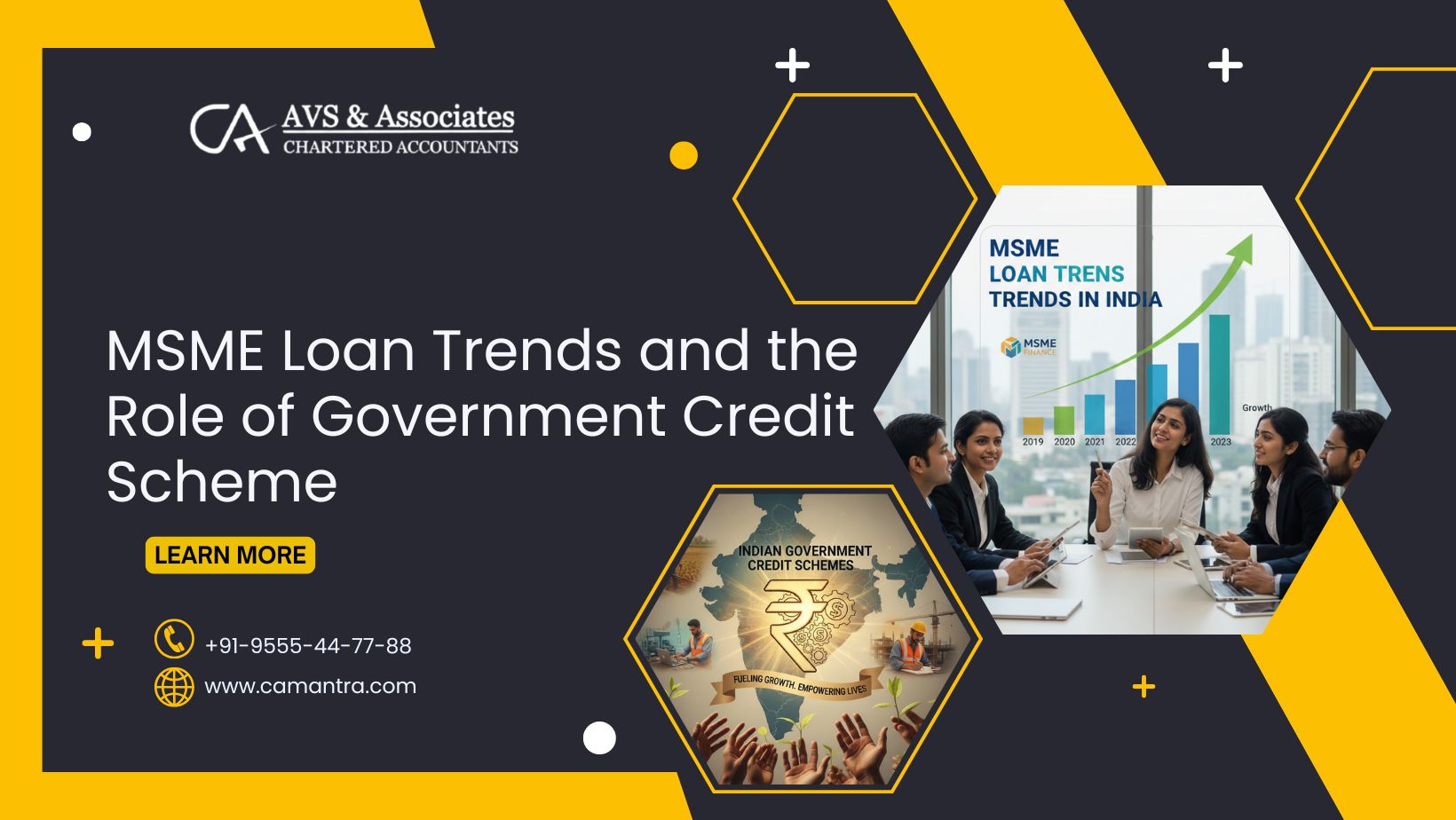
Micro, Small, and Medium Enterprises (MSMEs form the backbone of India’s economy, contributing significantly to employment, manufacturing output, and exports. Yet, access to timely and affordable credit has long been a challenge for this sector. Over the past few years, India’s MSME lending landscape has begun to evolve, supported by policy reforms, government-backed guarantees, and improved lending practices.
Changing MSME Loan Trends
Traditionally, MSME loans were heavily dependent on collateral and lengthy documentation. Many viable businesses struggled to secure funding due to lack of property or formal financial history. Today, lenders are gradually shifting toward a more practical, cash-flow-based assessment.
Banks and NBFCs now evaluate business performance using indicators such as bank statements, GST filings, turnover consistency, and payment behavior. This approach has expanded access to credit for traders, service providers, and small manufacturers who may not own significant assets but operate stable businesses.
Another noticeable trend is the growing demand for working capital finance. Instead of borrowing solely for expansion, MSMEs increasingly use loans to manage liquidity gaps caused by delayed receivables, inventory cycles, and seasonal demand. Short-term loans, overdraft facilities, and cash credit limits are therefore gaining preference over long-term borrowing.
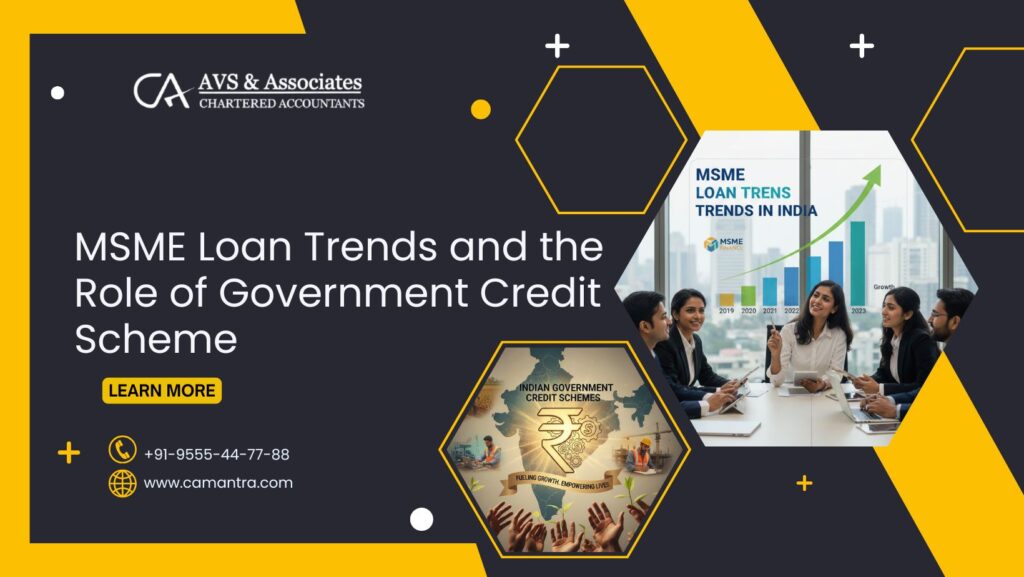
Rise of Collateral-Free Lending
Collateral-free MSME loans have become more common, largely due to government-backed credit guarantee mechanisms. These guarantees reduce lender risk and encourage financial institutions to extend credit without insisting on property or third-party security.
While interest rates still depend on the borrower’s risk profile, the absence of collateral has made formal financing more accessible, especially for first-generation entrepreneurs.
Key Government Credit Schemes for MSMEs
Several government schemes continue to play a crucial role in strengthening MSME credit availability:
Credit Guarantee Fund Scheme (CGTMSE):
This scheme enables banks to offer collateral-free loans to MSMEs by providing partial government guarantees in case of default. It is widely used for both working capital and term loans.
MUDRA Loans:
Designed for micro enterprises and small traders, MUDRA loans support businesses with modest funding needs. They are often the first formal loan for many entrepreneurs and help build long-term banking relationships.
Prime Minister’s Employment Generation Programme (PMEGP):
PMEGP combines bank finance with government subsidy to support new enterprises, particularly in manufacturing and service sectors. It reduces the initial financial burden for first-time entrepreneurs.
Stand-Up India Scheme:
Focused on women and SC/ST entrepreneurs, this scheme promotes inclusive growth by facilitating loans for greenfield projects in eligible sectors.
Moving Toward Sustainable MSME Financing
India’s MSME loan ecosystem is gradually shifting toward a more inclusive and structured model. Government credit schemes, combined with improved lending practices, have reduced traditional barriers to finance. However, successful borrowing still depends on financial discipline, compliance, and realistic credit planning.
As lending frameworks continue to mature, MSMEs that maintain transparent records, stay compliant, and assess credit needs strategically will be better positioned to access funding. Professional financial guidance can further help businesses choose the right schemes, structure borrowing effectively, and maintain long-term financial stability.