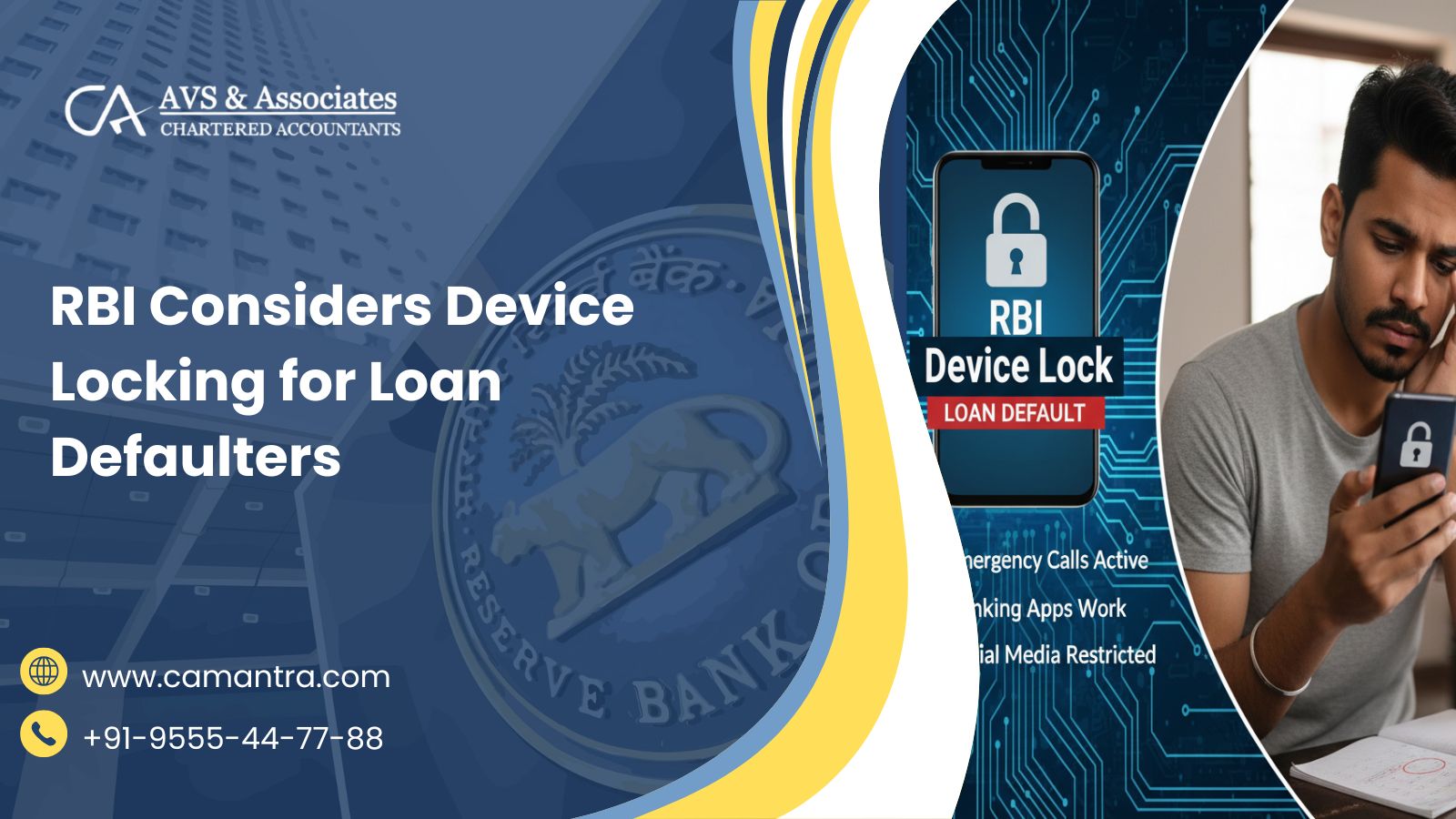
The Reserve Bank of India (RBI) is reportedly examining a proposal that could reshape how lenders recover small-ticket loans. Under this plan, banks and non-banking financial companies (NBFCs) may be allowed to use device-locking technology to restrict access to a borrower’s smartphone in case of loan default.
Why This Proposal is Gaining Attention
Small-ticket loans have seen tremendous growth in India, driven by the rapid adoption of digital lending platforms. These loans are popular because they are quick to disburse, require minimal paperwork, and cater to individuals with limited or no credit history. For many first-time borrowers, small loans provide an entry point into the formal financial system.
However, the convenience of digital lending also brings risks. Since most of these loans are unsecured, lenders have no collateral to recover in case of default. With defaults rising in certain segments, lenders are looking for stronger mechanisms to ensure repayment discipline. Device-locking technology is being considered as one such tool.

How Device Locking Would Work
If approved, the system would allow lenders to remotely lock a borrower’s smartphone when payments are overdue. The lock would not necessarily block the phone completely but would restrict its usage until dues are cleared.
- Emergency calls would remain active.
- Banking apps and repayment gateways could still function.
- Other features, such as social media, entertainment, or browsing, might be restricted.
This approach has been tested in other markets, especially in microfinance and digital lending, where it has proved effective in nudging borrowers to repay on time.
Concerns Around the Proposal
While the idea may benefit lenders, it has raised several concerns among consumer groups and experts.
Impact on vulnerable borrowers: For low-income individuals, smartphones are essential for work, education, and accessing government schemes. Restricting device access could deepen financial and social difficulties.
Privacy and security: Allowing lenders to control personal devices brings questions about data safety and the risk of misuse. Oversight mechanisms will be necessary to ensure borrowers’ rights are protected.
Fairness of enforcement: Critics worry that even minor delays or disputes could trigger device locks, creating disproportionate hardship for borrowers.
What Borrowers Should Keep in Mind
If the RBI introduces this framework, borrowers will need to be more careful when taking small-ticket loans. It will be crucial to:
- Borrow only within one’s repayment capacity.
- Track repayment schedules diligently.
- Stay updated on RBI’s rules that may define safeguards against misuse.
The Way Forward
The proposed use of device-locking technology highlights how digital tools are becoming central to India’s financial system. While the measure could help lenders reduce default risks, it must be balanced with strong borrower protections. Ultimately, the success of this policy will depend on whether it can safeguard both financial discipline and consumer rights without causing undue hardship.