In an era of increasing financial transparency, the Indian Income Tax (I-T) department is sending a clear message: every significant transaction counts. A nationwide crackdown has been launched targeting entities that have failed to report high-value financial transactions, as mandated by the Statement of Financial Transactions (SFT) and Significant Financial Transactions (SRA) forms for the financial years 2023-24 and 2024-25.
This isn’t just a routine check; it’s a strategic move to ensure greater compliance and plug potential tax evasion loopholes. The Directorate of Systems, the I-T division responsible for this initiative, has meticulously identified a substantial number of reporting entities that either neglected to file their reports or submitted incomplete information.

What Does This Mean for You?
If you’ve been involved in any high-value transactions, it’s crucial to understand the implications. The I-T department has already started issuing pending notices and show-cause notices, demanding that these entities complete their reporting obligations by the end of November. Ignoring these notices could lead to further scrutiny and penalties.
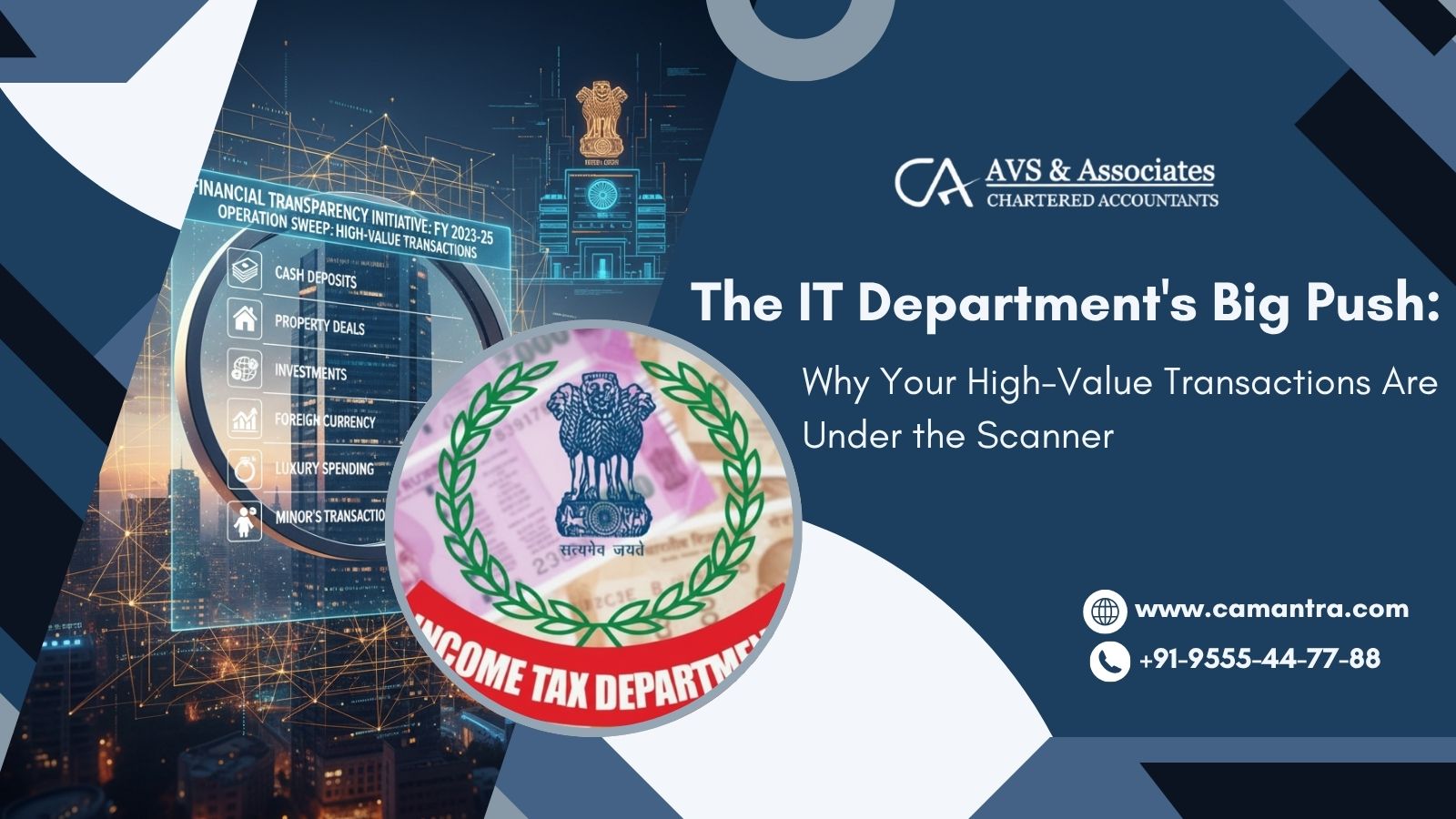
The range of transactions under review is extensive and includes:
- Cash Deposits: Large cash deposits into bank accounts.
- Property Deals: Sale or purchase of immovable property.
- Investments: Time deposits, mutual funds, shares, and debentures.
- Foreign Currency Transactions: Significant exchanges or holdings of foreign currency.
- Luxury Spending: Credit card bill payments exceeding ₹10 lakh, purchase of motor vehicles, and expenses related to gold, luxury hotels, and stays.
- Minor’s Transactions: Even transactions involving minors are under the scanner.
Transparency is Key
The I-T department isn’t just focusing on past lapses. They’ve also instructed all reporting agencies to meticulously review their submissions from the past two financial years and rectify any discrepancies. This proactive approach underscores a commitment to fostering a culture of accurate and timely financial reporting.
This drive for transparency is further supported by international tax agreements. The SFT form (Form 61A) plays a vital role in India’s compliance with global standards, including the Foreign Account Tax Compliance Act and the Common Reporting Standard. These frameworks are designed to enhance cross-border financial data exchange, making it harder for individuals and entities to hide wealth or evade taxes internationally.
The Bigger Picture
The current crackdown highlights the I-T department’s evolving capabilities in data analysis and enforcement. With advanced systems, it’s becoming increasingly difficult for non-compliant entities to escape detection. The ultimate goal is to ensure a fair and equitable tax system where everyone contributes their rightful share.
For businesses and individuals alike, the message is clear: meticulous record-keeping and timely, accurate reporting of high-value transactions are not just legal obligations but essential practices in today’s financial landscape. If you’ve received a notice, or if you’re unsure about your reporting obligations, it’s advisable to consult with a tax professional immediately to ensure compliance and avoid potential repercussions. The I-T department is serious about this, and so should you be.